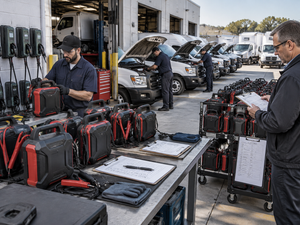
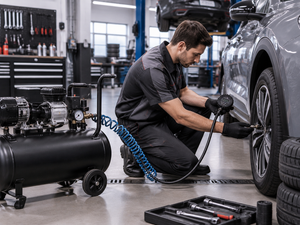
Tire inflators used in auto shops and service centers face a very different workload from portable inflators stored in private vehicles.
A consumer may use an inflator only occasionally. A workshop may use the same type of equipment repeatedly throughout the day for tire service, pressure checks, vehicle preparation, and routine maintenance.
For this reason, auto shops need a practical way to decide when an inflator should be serviced and when it should be replaced.
There is no single replacement interval that works for every shop. The better approach is to evaluate actual usage, component wear, pressure performance, maintenance history, and spare parts availability.
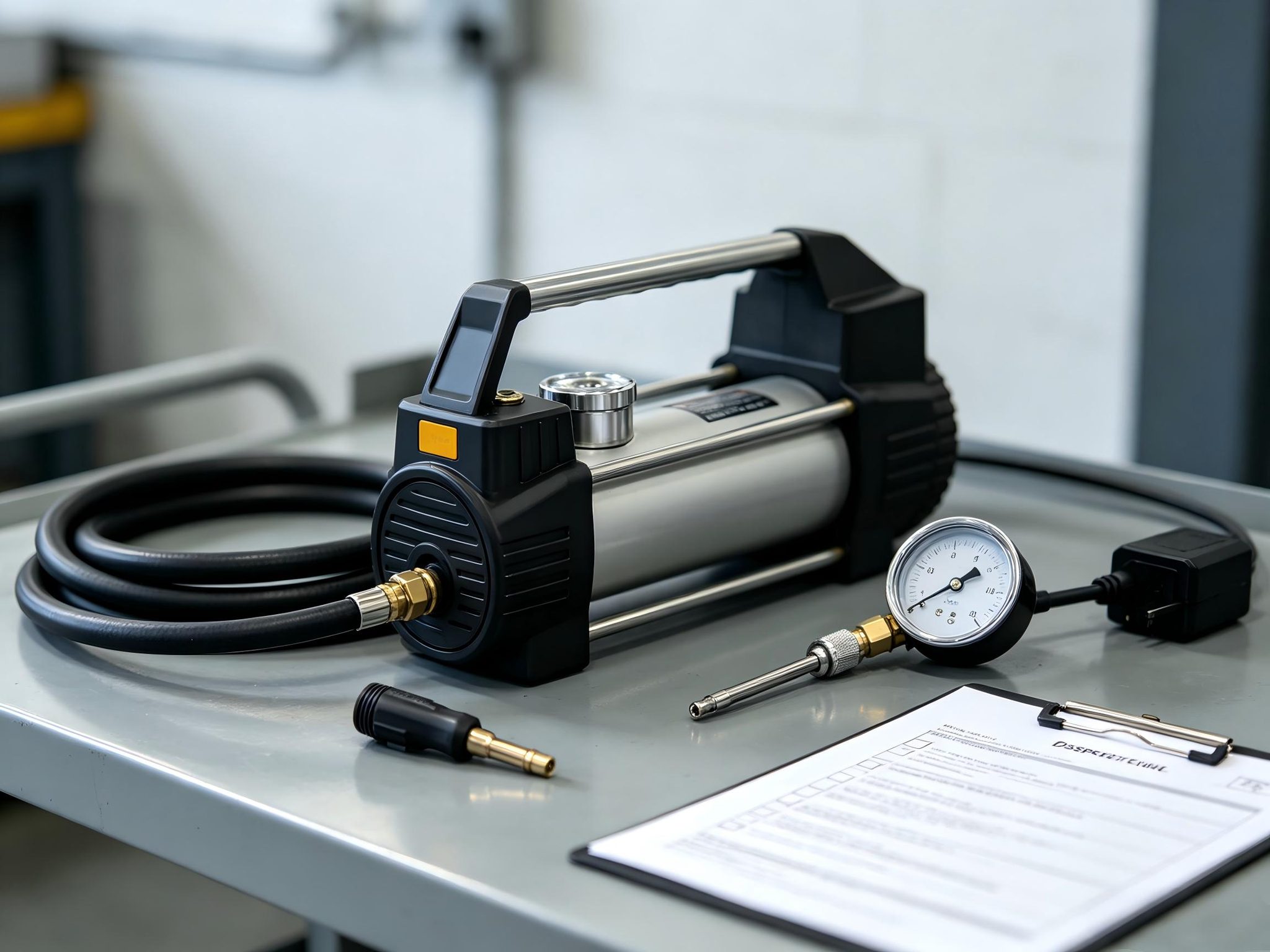
Why Auto Shops Need a Replacement Schedule
For an auto shop, a tire inflator is a working tool.
If the equipment starts performing inconsistently, the problem can affect daily service efficiency.
A damaged hose can create air leakage. A worn chuck can make valve connections slower. An inaccurate gauge can reduce confidence in pressure readings. A motor that overheats frequently may interrupt work during busy periods.
Waiting until an inflator completely stops working can create unnecessary downtime.
A simple inspection and replacement schedule allows the shop to identify problems earlier and decide whether maintenance, component replacement, or a new unit is the better solution.
The objective is not to replace equipment as frequently as possible. It is to keep inflation tools reliable enough for the actual workload of the workshop.
Usage Frequency and Workload Affect Lifespan
Product age alone does not tell the full story.
Two identical tire inflators purchased at the same time can have very different conditions after one year if one is used occasionally and the other operates repeatedly every day.
Important workload factors include:
- number of inflation cycles
- length of each inflation session
- frequency of back-to-back operation
- tire size and starting pressure
- workshop temperature
- dust and contamination
- storage conditions
- power supply conditions
Duty cycle is especially important for electrically powered inflators.
Repeated operation can create more heat than occasional use. A product that is suitable for emergency or personal use may therefore not automatically be suitable for a busy commercial workshop.
For B2B buyers, the key question should be whether the product is designed for the expected operating pattern.
Instead of asking only, “How many years will this inflator last?”, buyers should also ask, “What workload is this model designed to handle?”
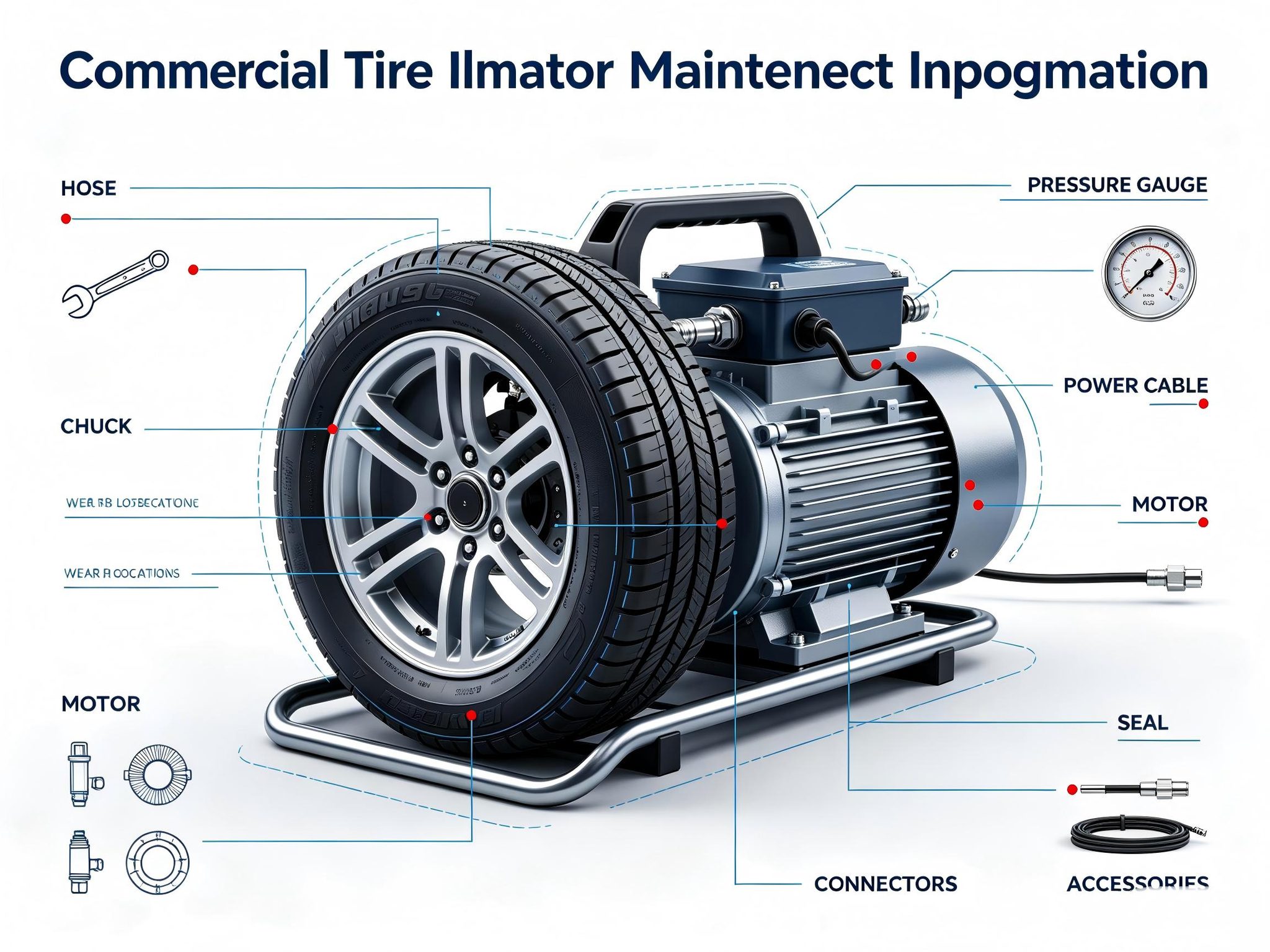
Common Wear Points: Hose, Chuck, Gauge, Cable, and Motor
Most tire inflators do not change from perfect condition to complete failure immediately.
Wear usually appears gradually.
The air hose is one of the easiest components to inspect. Workshops should look for cracking, reduced flexibility, damaged fittings, or visible air leakage.
The tire chuck is another high-use component. Repeated connection to tire valves can affect sealing and grip. If the chuck becomes difficult to attach or begins leaking during inflation, it may need service or replacement.
The pressure gauge also deserves attention. For analog models, buyers should watch for unstable needle movement or readings that appear inconsistent. Digital models may develop display or pressure-sensing problems.
The power cable and connectors should be checked for damaged insulation, loose connections, or other visible wear.
Finally, changes in motor or compressor performance may indicate deeper wear. Warning signs can include slower inflation, unusual vibration, increased noise, repeated overheating, or unexpected shutdown.
These symptoms do not always mean the complete inflator must be replaced, but they should trigger inspection.
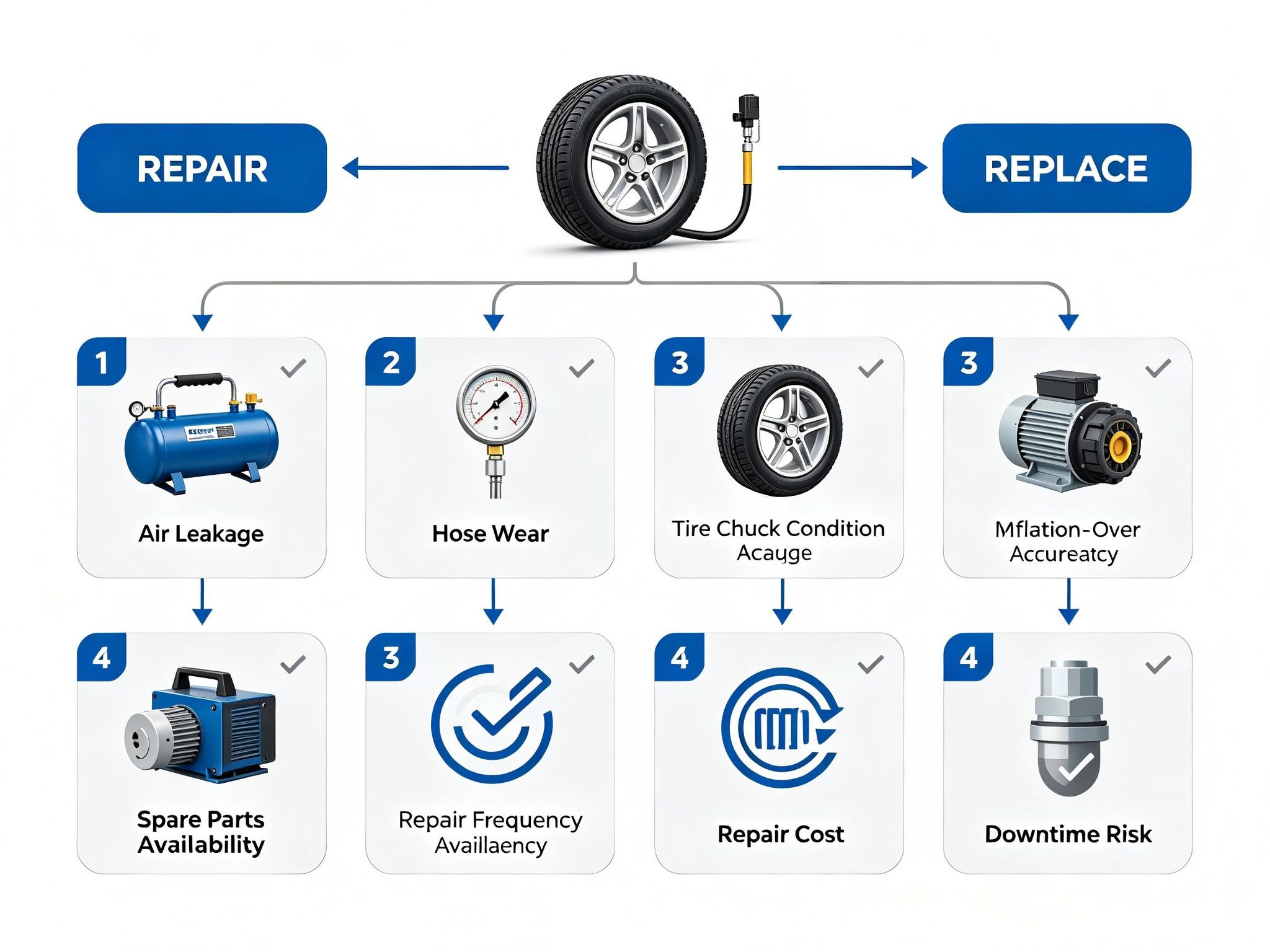
Repair vs Replacement: How Shops Should Decide
Not every worn component justifies replacing the entire product.
Repair may make sense when:
- the hose can be replaced
- the chuck is a serviceable component
- a gasket or seal is causing leakage
- the gauge can be replaced or checked
- spare parts are readily available
- the rest of the inflator remains in good condition
Full replacement may become more practical when several problems appear together.
For example, a unit with repeated overheating, reduced inflation performance, inaccurate pressure readings, and unavailable spare parts may create more operational risk than value.
Repair cost is only one factor.
Workshops should also consider downtime, frequency of recurring problems, availability of technicians or spare parts, and whether the old product still matches the shop’s current workload.
This is why a fixed rule such as “replace every two years” is rarely useful across all applications.
Condition-based replacement gives shops a more practical framework.
Spare Parts and Maintenance Records
Maintenance records do not need to be complicated.
A workshop can record:
- purchase date
- model number
- approximate usage level
- hose or chuck replacements
- gauge problems
- leakage issues
- overheating incidents
- previous repairs
- inspection dates
Over time, these records help managers identify repeated issues.
For multi-location service chains or fleet operations, they can also help compare equipment performance between locations.
Spare parts availability is equally important.
Before purchasing commercial tire inflators, B2B buyers should ask whether common service components can be supplied separately.
Depending on the product design, these may include hoses, tire chucks, seals, gauges, connectors, cables, or other service parts.
Not every inflator is designed for the same level of repairability. Buyers should therefore understand the intended application before ordering.
What B2B Buyers Should Ask Suppliers Before Ordering
Replacement planning actually begins during sourcing.
Before placing a bulk order for auto shops, distributors, or fleet customers, buyers should confirm:
- Is the product intended for occasional or frequent use?
- What operating guidance or duty-cycle information is available?
- How is pressure accuracy checked?
- How is air leakage tested?
- What hose and chuck materials are used?
- Which components can be replaced?
- Are spare parts available for repeat orders?
- What maintenance guidance is included?
- What warranty or after-sales support is provided?
- Can samples be tested under realistic workshop conditions?
These questions help buyers evaluate the complete service life of the product rather than only the initial purchase price.
A reliable tire inflator for professional channels should match the expected workload and have a clear support plan when normal wear appears.
 heavy duty tire inflator product options
Quick Tire Inflator Replacement Checklist
| Inspection Area | Maintenance May Be Enough | Replacement Should Be Considered |
|---|---|---|
| Hose | Replaceable wear or fitting issue | Repeated leakage with no suitable parts |
| Chuck | Worn replaceable connector | Repeated sealing problems |
| Gauge | Inspection or replacement possible | Accuracy cannot be restored |
| Cable | Serviceable connection issue | Serious or recurring electrical damage |
| Motor | Normal after inspection | Repeated overheating or major performance loss |
| Repair History | Occasional repair | Frequent failures and downtime |
| Spare Parts | Parts readily available | Critical parts unavailable |
Conclusion
Auto shops do not need one universal tire inflator replacement interval.
A practical replacement schedule should consider workload, hose and chuck wear, pressure accuracy, motor condition, duty cycle, maintenance history, and spare parts availability.
Routine inspection can help workshops replace individual wear components before replacing an entire unit. At the same time, repeated overheating, declining performance, unreliable pressure readings, or frequent repairs may indicate that full replacement is the more practical choice.
For B2B buyers, this means tire inflator sourcing should include more than unit price. Product durability, serviceability, spare parts, testing, and supplier support all influence long-term value.
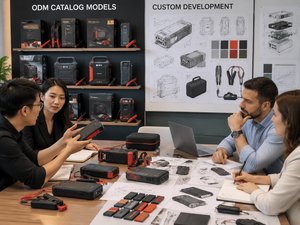
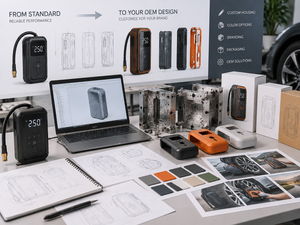
YANTU supports tire inflator projects for automotive distributors, workshops, service chains, fleets, retailers, and private label brands. If you are selecting tire inflators for professional automotive channels, our team can help discuss product specifications, sample testing, spare parts, packaging, and bulk order requirements.