Fleet jump starters are not used every day, but they must be ready when needed. This creates a special challenge for fleet operators, distributors, roadside assistance teams, and automotive retail buyers.
A sodium jump starter with long standby positioning can be attractive for fleet applications because many units may stay in vehicles, warehouses, branches, or emergency kits for long periods. However, buyers should evaluate the claim carefully and confirm storage guidance, inspection routines, and supplier support before adoption.
This article explains where 5-year standby sodium jump starters may fit in fleet applications and what B2B buyers should check.

Why Standby Time Matters for Fleet Jump Starters
Fleet vehicles need emergency tools that remain ready even when they are not used frequently.
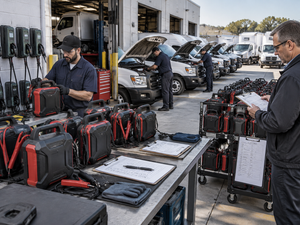
A jump starter may be stored in a service van, rental car, roadside assistance kit, warehouse, maintenance room, or regional branch. It may not be used for months, but when a vehicle battery fails, the tool must work quickly.
For fleet managers, standby time matters because poor readiness creates operational risk. If a jump starter loses power during storage, the fleet may only discover the problem during an emergency. This can lead to vehicle downtime, delayed service, and extra rescue cost.
For distributors, long-standby positioning also matters because it supports a practical sales story. The product is not only a car accessory. It becomes part of a vehicle readiness system.
For B2B buyers, the key point is not only the headline “5-year standby.” The real question is whether the product design, storage instructions, and inspection process can support long-term emergency readiness.
Fleet Storage Across Vehicles, Branches, and Warehouses
Fleet jump starters are often stored across many locations.
A company may keep some units inside vehicles, some in branch offices, some in warehouses, and some with service technicians. This creates a management problem: how to make sure every unit remains charged, complete, and easy to find.
Long-standby sodium jump starters can support these applications when storage is planned properly.
Common storage locations include:
- delivery vans
- service vehicles
- rental vehicles
- roadside assistance trucks
- warehouse emergency cabinets
- regional branch offices
- seasonal vehicle storage areas
- maintenance workshops
Each location may need a different storage method. A jump starter stored in a vehicle may need a protective case and clear operating instructions. A unit stored in a warehouse may need batch labels and inspection records. A unit stored for roadside assistance may need stronger clamps, cables, and accessories.
For B2B buyers, storage planning should be included in product selection. A good fleet jump starter should be easy to assign, inspect, store, and retrieve.

Emergency Readiness for Seasonal and Low-Use Vehicles
Some fleet vehicles are not used every day.
Seasonal vehicles, backup vans, trailers, construction support vehicles, agricultural vehicles, rental cars, and stored company vehicles may sit unused for long periods. These vehicles can be more likely to face battery-related problems when they return to service.
A long-standby sodium jump starter can be useful in these scenarios because the product is expected to remain stored until needed. It can become part of the vehicle’s emergency kit or the branch’s seasonal preparation plan.
For buyers serving northern markets, winter preparation may also increase the value of standby-ready jump starters. Vehicles stored through cold seasons may need battery support when restarted.
However, buyers should not treat standby time as a reason to ignore inspection. Even long-standby products should have clear storage recommendations and periodic checks.
For fleet channels, a good approach is to combine long-standby product positioning with a simple readiness routine.
Sodium Battery Positioning for Long-Term Storage Scenarios
Sodium battery technology gives suppliers and sellers a useful positioning angle for long-term storage applications.
Compared with traditional jump starter messaging that often focuses on peak current and battery capacity, sodium jump starters can be positioned around emergency readiness, safety-focused battery design, storage convenience, and cold-region applications.
For B2B buyers, this product story can fit several channels:
- fleet emergency kits
- winter driving product lines
- roadside assistance tools
- auto parts chains
- distributor seasonal promotions
- commercial vehicle support products
- private label automotive emergency sets
Still, sodium technology should be explained responsibly. Buyers should ask suppliers for product-specific information rather than relying only on general battery chemistry claims.
Important points include battery management system design, storage temperature range, recharge interval, protection functions, and sample test results.
For retail and fleet customers, the explanation should be simple. The product should not sound like a laboratory battery article. It should explain what the sodium jump starter means for storage, readiness, and emergency use.
Inspection Routines and Realistic Storage Guidance
Long standby does not remove the need for management.
Fleet buyers should build a realistic inspection routine. This routine does not need to be complicated, but it should be clear enough for drivers, warehouse staff, or maintenance teams to follow.
A practical inspection routine may include:
- checking charge level before seasonal use
- confirming the clamps and cables are complete
- checking the storage case
- confirming the unit is assigned to the right vehicle or branch
- reviewing storage temperature guidance
- checking whether the manual is included
- recording inspection dates
- recharging according to supplier instructions
For B2B buyers, the supplier should provide clear storage guidance. The manual should explain how the product should be stored, how often it should be checked, and what users should avoid.
A strong fleet product should also make inspection easy. A clear battery indicator, durable storage case, simple accessory layout, and visible labels can help teams manage many units.
For distributors, these details can become part of the product’s value proposition.

What Buyers Should Confirm Before Fleet Adoption
Before purchasing long-standby sodium jump starters for fleet use, buyers should confirm both product performance and management support.
Important questions include:
- What does the 5-year standby claim mean under the supplier’s test conditions?
- What storage temperature range is recommended?
- How often should the unit be checked or recharged?
- What vehicles can the model support?
- Are the clamps and cables suitable for fleet use?
- Is a storage case included?
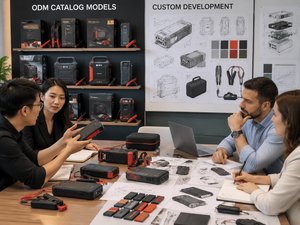
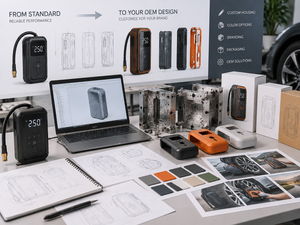
- Can the product support private label packaging?
- Can manuals and labels be customized?
- What warranty terms apply?
- Can samples be tested before bulk orders?
Buyers should also test samples in real storage and vehicle-use conditions. A product that works well in a short demonstration may still need further checking for fleet deployment.
For distributors and fleet buyers, the best decision combines product specification, storage guidance, training, documentation, and supplier support.
Quick Fleet Standby Application Table
| Application Scenario | Why Standby Matters | Buyer Focus |
|---|---|---|
| Service Vehicles | Tools must be ready during field work | Storage case, clamps, user instructions |
| Rental Fleets | Vehicles may sit unused between customers | Inspection routine and simple operation |
| Seasonal Vehicles | Long parking periods increase readiness needs | Recharge guidance and storage temperature |
| Branch Warehouses | Units may be stored for emergency use | Batch labels and inspection records |
| Roadside Assistance | Fast use under uncertain conditions | Cable quality, clamps, durability |
| Auto Parts Retail | Customers need clear product explanation | Packaging, icons, storage message |
 sodium jump starter product options
Conclusion
Fleet applications are a natural fit for long-standby sodium jump starters when the product is selected and managed correctly. Vehicles, branches, warehouses, roadside teams, and seasonal fleets all need emergency tools that can remain ready during long storage periods.
For B2B buyers, 5-year standby should be evaluated carefully. Buyers should confirm test conditions, storage guidance, recharge recommendations, vehicle compatibility, accessory quality, packaging, warranty, and sample performance.
A strong fleet jump starter project is not only about the battery. It is about readiness management across many vehicles and locations.
YANTU supports sodium jump starter projects for fleet operators, roadside assistance channels, distributors, auto parts retailers, and OEM customers. If you are evaluating long-standby sodium jump starters for fleet applications, our team can help discuss specifications, packaging, sample testing, documentation, and bulk order requirements.