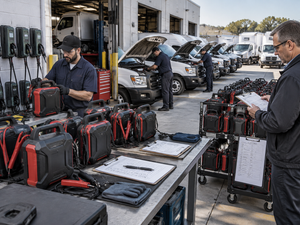
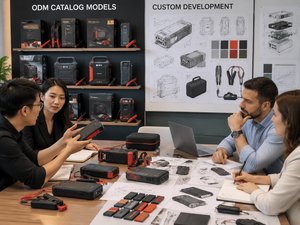
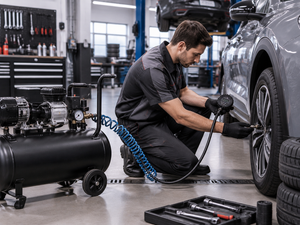
Commercial tire inflators are often used in high-frequency environments such as repair shops, car service centers, and fleet maintenance facilities. Unlike home-use inflators, commercial units face daily multi-user operation, higher duty cycles, and variable tire types. Proper maintenance is essential to ensure longevity, reliability, and accurate pressure delivery.
For B2B buyers, understanding maintenance requirements is not only about reducing downtime—it also affects resale, warranty claims, and customer satisfaction. This article highlights what commercial inflator maintenance entails and what buyers should expect from suppliers.

Why Maintenance Matters in Commercial Use
High-frequency operation exposes commercial inflators to:
- Frequent pressure cycling
- Heat accumulation
- Multiple users and varied handling
- Exposure to dust, dirt, and oils
Neglecting maintenance can lead to inaccurate pressure readings, slower inflation, premature wear of components, and customer complaints. A well-maintained inflator ensures consistent performance, which is critical for retail channels and professional service providers.
Key Parts That Need Attention
Hoses and Connectors
Air hoses and connectors are the first points of wear. B2B buyers should verify:
- Material durability
- Flexibility and kink resistance
- Valve connection integrity
- Leak-free sealing for Presta and Schrader compatibility
Power Cables and Battery
For electric inflators:
- Battery life and recharge cycles must be monitored
- Power cable insulation should be inspected
- Loose connectors or damaged cables can affect performance and safety
Digital Displays and Sensors
Pressure sensors and digital readouts should be checked for:
- Accuracy over time
- Response speed
- Calibration consistency across multiple units
A drifting sensor can undermine the credibility of the inflator for professional clients.

Heat and Duty Cycle Management
High-pressure and frequent inflation tasks generate heat. Excess heat can:
- Trigger thermal protection
- Reduce efficiency
- Shorten component lifespan
B2B buyers should confirm:
- Recommended continuous working time
- Rest intervals
- Built-in cooling or heat dissipation mechanisms
Cleaning and Storage
Regular cleaning protects hoses, valves, and electronic components. Suggested maintenance practices include:
- Wiping down the inflator after use
- Removing dust and debris from connectors
- Storing in a dry, temperature-controlled environment
- Avoiding cable tension or kinks during storage
These steps reduce wear and help preserve sensor accuracy and mechanical integrity.
What Suppliers Should Provide
Reliable suppliers for commercial inflators should include:
- Detailed maintenance instructions
- Troubleshooting guidance
- Replacement part availability
- Warranty coverage for high-frequency use
- Optional service packages for large fleets or retail chains
Providing these resources ensures buyers and end-users can maintain inflators efficiently, reducing long-term operational issues.
Practical Implications for Retailers and Distributors
Commercial tire inflators positioned for B2B channels should emphasize reliability and serviceability. Buyers can use maintenance information in:
- Staff training manuals
- Product catalogues for fleet clients
- Marketing materials highlighting long-term stability
- Customer support guidance
By aligning expectations with proper maintenance, distributors and retailers reduce the risk of complaints and returns.
Common Mistakes to Avoid
B2B buyers sometimes assume that commercial inflators are “maintenance-free.” This is a mistake. Even robust units require:
- Routine inspection of hoses and valves
- Monitoring of digital sensor accuracy
- Heat management checks
- Proper storage between high-frequency operations
Neglecting these can lead to warranty claims, inconsistent pressure readings, and diminished professional reputation.
 portable tire inflator product range
Conclusion
Commercial tire inflator maintenance is essential for high-frequency or professional applications. Key areas include:
- Hoses and connectors
- Power cables and battery
- Digital sensors and displays
- Heat management and duty cycle adherence
- Cleaning and proper storage
B2B buyers should ensure suppliers provide clear maintenance guidance, replacement parts, and warranty coverage appropriate for commercial use. A well-maintained commercial inflator delivers consistent performance, reduces downtime, and improves satisfaction for both retailers and end-users.