Fleet sodium jump starter pricing is not only about the lowest unit cost. For distributors, the real price depends on product configuration, order quantity, packaging, accessories, documentation, warranty support, and repeat-order planning.
A sodium jump starter may be sold to fleet operators, roadside assistance teams, auto parts chains, winter driving channels, and emergency vehicle kit buyers. Each channel may require a different product package and service level.
This guide explains what distributors should evaluate when discussing bulk pricing for fleet sodium jump starters.

Why Fleet Bulk Pricing Is Different from Small Orders
Small orders are usually simple. A buyer asks for a model, receives a sample price or small order quote, and compares unit costs. Fleet bulk pricing is more complex.
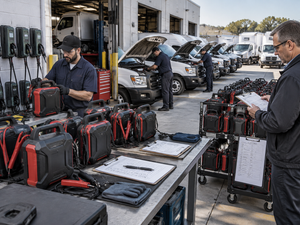
Fleet customers may buy jump starters for dozens, hundreds, or thousands of vehicles. They may need the same model across branches, service vans, warehouses, roadside teams, or seasonal vehicle fleets. This creates different requirements for quality stability, packaging consistency, documentation, warranty handling, and delivery planning.
For distributors, the lowest quotation is not always the best option. A cheaper unit may become expensive later if it causes returns, unclear usage, missing documents, or high after-sales pressure.
Fleet sodium jump starter pricing should be evaluated as a complete supply program. The distributor needs to understand what is included in the price and what may create extra cost later.
 commercial sodium jump starter for fleets
Quantity Tiers and MOQ Structure
Order quantity is one of the most obvious pricing factors.
Suppliers usually provide different prices for different quantity tiers. A 100-piece order, 500-piece order, and 1,000-piece order may not have the same unit price because production planning, material purchasing, packaging preparation, and labor efficiency are different.
Distributors should ask suppliers to quote by quantity tier instead of asking for only one price. This helps the distributor plan customer offers and margin structure.
Useful quotation tiers may include:
- sample order
- trial order
- first bulk order
- repeat order
- annual forecast quantity
- private label quantity
- retail packaging quantity
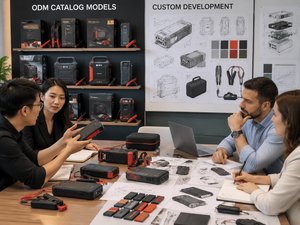
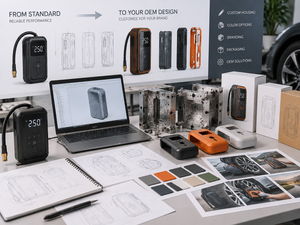
MOQ should also be reviewed carefully. A standard product may have a lower MOQ, while custom packaging, logo printing, color changes, or special accessory kits may require higher quantities.
For B2B buyers, quantity planning should match the sales channel. A distributor serving fleets may start with a pilot order, then move to repeat orders after testing.

Product Configuration Affects the Final Price
Sodium jump starters can have different configurations, and each configuration affects cost.
The battery pack, starting performance, clamp design, cable quality, shell material, display, emergency light, USB output, storage case, and charging accessories may all influence the final price.
Fleet buyers may care about performance, safety, storage readiness, and simple operation more than decorative features. A distributor should avoid over-configuring the product if the target customer mainly needs reliable fleet emergency use.
Key configuration factors include:
- battery capacity
- starting current level
- battery management system
- smart clamp design
- cable length and thickness
- emergency light function
- charging method
- storage case or bag
- display or indicator design
- accessory set
For distributors, the goal is to build a product that fits the fleet customer’s real use case. A higher specification may support a premium price, but only when the customer understands the added value.
Accessories, Packaging, and Documentation
Bulk pricing should always define what is included.
A sodium jump starter quote may look attractive, but the included accessories may be limited. Another supplier may quote a higher price but include better clamps, stronger cables, a storage case, multilingual manual, retail packaging, carton labels, and document support.
Distributors should check whether the quotation includes:
- smart clamps
- charging cable
- storage bag or hard case
- user manual
- retail box
- neutral box
- private label packaging
- carton labels
- product stickers
- barcode area
- safety information
- transport-related documents when needed
Packaging can change pricing significantly. Neutral packaging is usually simpler. Private label color boxes require design work, printing setup, and MOQ planning. Retail packaging may also require stronger visual explanation and clearer product information.
For B2B buyers, documentation is also part of the product value. Fleet customers may need manuals, storage guidance, charging instructions, safety reminders, and warranty terms. Without these materials, the distributor may face more support questions after delivery.
Forecasting, Repeat Orders, and Distributor Margins
Distributors should not calculate pricing only on the first order.
Fleet sodium jump starter projects often develop over time. A customer may begin with a pilot order, test the product across selected vehicles, and then expand to more branches or fleet units. This means repeat-order planning is important.
A distributor should discuss forecast quantity with the supplier. This may help with material planning, packaging preparation, and price stability.
Margin planning should include more than product cost. Distributors may need to consider:
- import cost
- local delivery
- warehousing
- product testing
- customer support
- warranty reserve
- marketing material
- replacement accessories
- payment terms
- currency changes
- seasonal inventory risk
For fleet channels, a lower margin may be risky if after-sales support is unclear. Sodium jump starters are battery products, so distributors should leave enough margin for customer service and warranty management.
For B2B buyers, stable supply and predictable repeat pricing may be more valuable than a one-time low price.
Sample Testing Before Bulk Commitment
Sample testing is important before fleet bulk orders.
A sodium jump starter may look good on a quotation sheet, but distributors need to confirm real product performance. Samples should be tested with target vehicle types, storage conditions, user operation, clamps, cable flexibility, charging process, and manual clarity.
Fleet customers may also want to test samples before confirming a large order. This is normal and should be planned into the sales process.
Sample testing should review:
- starting performance
- clamp connection
- cable length and flexibility
- battery indicator clarity
- charging method
- emergency light function
- storage case quality
- manual readability
- packaging protection
- user feedback
For distributors, sample testing reduces pricing risk. It helps confirm whether the selected configuration supports the target price and customer expectation.
What Distributors Should Ask Suppliers Before Quotation
Before requesting a bulk quote, distributors should prepare clear requirements. A vague request such as “send best price” usually leads to an incomplete quotation.
Better questions include:
- What quantity tiers can you offer?
- What is the MOQ for neutral packaging?
- What is the MOQ for private label packaging?
- What accessories are included in the standard price?
- Can clamps or storage cases be upgraded?
- What documents can be provided?
- What warranty terms are available?
- What is the lead time for first order and repeat orders?
- Can samples be tested before bulk order?
- Can the supplier support annual forecast planning?
These questions help both sides build a realistic quotation. They also prevent misunderstandings after the order is placed.
For sodium jump starters, the supplier should be able to explain not only the price, but also the configuration, packaging, documents, and delivery plan behind the price.

Quick Bulk Pricing Checklist
| Pricing Factor | What Distributors Should Check | Why It Matters |
|---|---|---|
| Quantity Tier | Sample, trial, bulk, repeat order pricing | Helps plan customer margin |
| Configuration | Battery, clamps, cable, case, light, display | Defines product value |
| Packaging | Neutral box, color box, private label | Affects MOQ and retail readiness |
| Accessories | Smart clamps, cables, manual, case | Changes perceived value and cost |
| Documents | Safety info, manuals, transport support | Supports import and fleet use |
| Warranty | Terms, replacement process, spare parts | Reduces after-sales risk |
| Lead Time | First order and repeat order schedule | Supports fleet delivery planning |
Conclusion
Bulk pricing for fleet sodium jump starters should be evaluated as a complete B2B supply project. Distributors need to consider quantity tiers, configuration, accessories, packaging, documentation, sample testing, warranty, and repeat-order planning.
A lower unit price is not always better if the product lacks the right clamps, packaging, documents, or supplier support. For fleet customers, reliability, clear usage, storage readiness, and after-sales handling are part of the real value.
For distributors, the best quotation is the one that supports customer needs, channel margins, and long-term repeat business.
YANTU supports sodium jump starter projects for distributors, fleet channels, auto parts retailers, roadside assistance teams, and OEM customers. If you are planning a bulk sodium jump starter order for fleet use, our team can help discuss product configuration, quantity tiers, packaging, sample testing, documentation, and delivery planning.