For workshops, fleets, and automotive tool distributors, jump starter maintenance is not a small detail. A product that looks powerful at purchase may become inconvenient if it needs frequent charging, careful storage, heavy handling, or early replacement.
Lead-acid jump starters have been used for many years in shops and service environments. Sodium battery jump starters offer a newer alternative with a different maintenance profile.
This article compares sodium battery and lead-acid jump starters from a practical B2B maintenance perspective.

Why Maintenance Matters for Jump Starter Buyers
Jump starters are emergency tools. Their value depends on whether they are ready when needed.
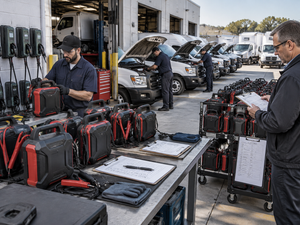
For personal users, occasional charging may not seem difficult. But for auto shops, fleets, roadside service teams, and distributors, maintenance becomes a management issue. If several jump starters are stored across vehicles, workshops, or branches, keeping them ready can take time.
Maintenance affects:
- charging schedules
- storage readiness
- staff handling
- replacement planning
- after-sales support
- product reliability perception
- total ownership cost
For B2B buyers, a “no maintenance jump starter” is usually not literally maintenance-free. Every battery product still needs reasonable storage and use management. The real goal is to choose a jump starter with a lower maintenance burden and better readiness for the target scenario.
This is where battery type becomes important.
Lead-Acid Jump Starters Require More Recharge Management
Lead-acid jump starters are familiar and widely used, especially in workshops and traditional automotive service channels. They are often seen as strong, simple, and proven.
However, lead-acid products usually require more recharge management. If they are stored for long periods without proper charging, the battery may lose readiness. For shops and fleets, this means staff may need to check and recharge units regularly.
Common maintenance concerns include:
- regular recharging
- heavier storage and movement
- battery aging over time
- performance decline after poor storage
- replacement planning
- more physical space required
For auto shops, this may be acceptable if staff already have a maintenance routine. But for distributors, fleet operators, or emergency kits stored in multiple vehicles, regular recharge management can become inconvenient.
For B2B buyers, lead-acid jump starters may still fit some professional environments, but they should not be evaluated only by initial purchase price. The long-term management workload also matters.

Sodium Battery Jump Starters Can Reduce Maintenance Burden
Sodium battery jump starters are often positioned as a more modern alternative to traditional lead-acid boosters.
From a maintenance perspective, sodium battery jump starters may offer advantages in lighter handling, easier storage, and reduced routine management, depending on product design and battery configuration.
For buyers, the main value is not that the product needs no care at all. Instead, sodium jump starters may help reduce the daily burden of checking, moving, charging, and managing heavy equipment.
This can be useful for:
- fleet emergency kits
- mobile service vehicles
- workshops with limited storage space
- distributors serving modern automotive channels
- marketplace sellers targeting compact emergency tools
- retailers promoting portable jump starter products
For B2B buyers, sodium battery technology can support a “lower maintenance” product story. But suppliers should still provide clear guidance on charging, storage, temperature range, and usage intervals.
A good sodium jump starter should combine product convenience with clear user instructions.
Storage, Self-Discharge, and Readiness Comparison
Storage readiness is one of the most important differences between jump starter types.
A jump starter may sit unused for weeks or months before an emergency. If it loses power too quickly during storage, the user may discover the problem only when the tool is needed.
For lead-acid jump starters, buyers often need to manage storage and recharging more carefully. This can be acceptable in a shop where tools are checked regularly, but it may be harder for fleet vehicles or seasonal emergency kits.
For sodium battery jump starters, buyers may expect better storage convenience, but this should still be confirmed through supplier data and sample testing. Battery management systems, product design, and storage conditions all affect readiness.
B2B buyers should ask suppliers:
- How long can the product be stored after full charge?
- What recharge interval is recommended?
- What storage temperature range is suitable?
- What happens if the product is stored for several months?
- Is there a battery indicator or reminder function?
- What instructions are included in the manual?
The best choice depends on how the product will be stored and how often users will check it.
Weight and Handling Differences in Shops and Fleets
Weight is another important maintenance factor.
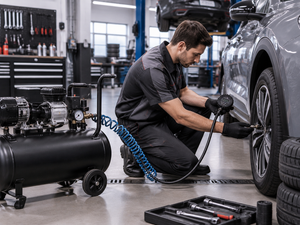
Traditional lead-acid jump starters are usually larger and heavier. In workshops, this may not be a serious problem if the unit stays in one place. But for mobile service, fleet vehicles, roadside kits, and retail customers, heavy products can reduce convenience.
A lighter sodium battery jump starter can be easier to carry, store, ship, and display. This can improve user experience and reduce staff effort during daily handling.
For B2B buyers, weight affects more than comfort. It can influence:
- shipping cost
- retail shelf placement
- vehicle storage
- staff handling time
- customer acceptance
- product photography
- packaging size
For workshops, a heavy lead-acid unit may still be acceptable for fixed-position use. For fleets and retail channels, compact sodium jump starters may be easier to position as modern emergency tools.
The purchasing decision should match the real use environment.
Total Ownership Cost Beyond Purchase Price
Initial price is only one part of jump starter cost.
A lead-acid jump starter may appear economical at purchase, but buyers should also consider maintenance time, replacement frequency, storage space, handling effort, and downtime risk.
A sodium jump starter may have a different price structure, but it may support lower handling cost, easier storage, and stronger portability. The value depends on channel and user scenario.
For B2B buyers, total ownership cost may include:
- purchase price
- recharge management time
- staff handling effort
- battery replacement planning
- storage requirements
- warranty and after-sales risk
- customer complaints
- shipping and packaging cost
This is why sodium vs lead-acid comparison should not focus only on battery chemistry. It should also consider how the product will be used, stored, and managed.
A product with a higher initial cost may still be more suitable if it reduces daily management problems and improves readiness.

Quick Maintenance Comparison Table
| Factor | Lead-Acid Jump Starter | Sodium Battery Jump Starter |
|---|---|---|
| Maintenance Burden | Usually requires more recharge management | May support lower routine management |
| Storage Readiness | Needs careful storage and charging routine | Should be confirmed by supplier data |
| Weight | Usually larger and heavier | Usually more compact and easier to handle |
| Best Use Scenario | Fixed workshop use, traditional service tools | Fleet kits, retail, mobile service, modern emergency tools |
| Buyer Focus | Price, power, recharge routine, replacement plan | Safety, storage guidance, portability, test data |
| Purchasing Risk | Hidden maintenance and handling cost | Customer education and supplier readiness |
What Buyers Should Confirm Before Ordering
Before choosing between sodium battery and lead-acid jump starters, B2B buyers should ask practical maintenance questions.
Important questions include:
- What recharge interval is recommended?
- How long can the product remain ready in storage?
- What storage temperature range is suitable?
- What is the expected battery lifespan under normal use?
- How heavy is the product with all accessories?
- Is the product suitable for vehicle storage?
- What manual instructions are provided?
- Can the supplier provide battery and safety information?
- Can samples be tested before bulk orders?
- Can packaging explain maintenance and storage clearly?
These questions help buyers compare real ownership cost, not only purchase price.
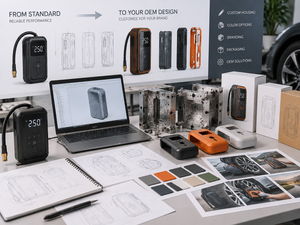
 sodium jump starter product options
Conclusion
Sodium battery and lead-acid jump starters serve different buyer needs. Lead-acid jump starters are familiar and may still fit fixed workshop environments, but they often require more recharge management, heavier handling, and more storage attention.
Sodium battery jump starters may support a lower maintenance burden, lighter handling, and more convenient storage, depending on product design and supplier support. For fleets, retailers, marketplace sellers, and modern emergency tool channels, this can create a stronger product positioning opportunity.
For B2B buyers, the best decision should consider maintenance, readiness, weight, storage, total ownership cost, and target channel.
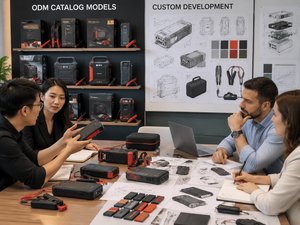
YANTU supports sodium jump starter projects for automotive retailers, distributors, fleet channels, marketplace sellers, and OEM customers. If you are comparing sodium battery and lead-acid jump starter options, our team can help discuss specifications, packaging, sample testing, and bulk order requirements.