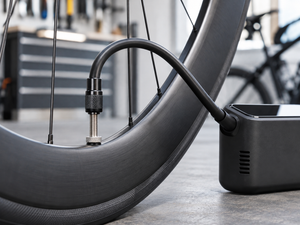
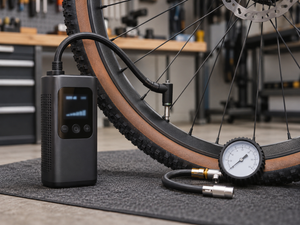
A bike pump can deliver accurate pressure and fast inflation but still create a poor customer experience if the connector does not interact well with the valve.
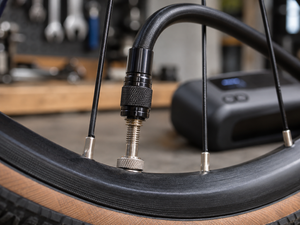
One situation that deserves particular attention is the combination of a thread-on pump head and a Presta valve with a removable core.
Threaded connectors are popular because they can create a secure connection and compact product design. They are commonly found on portable hoses and electric bike pumps.
But the same rotating action used to attach and remove the connector can interact with the threaded valve core.
If the core is not sufficiently secure, the user may loosen it while removing the pump head.
For bicycle brands and bike shops, this is not simply a valve problem or a pump problem. It is an interface problem between two components that may come from different manufacturers.
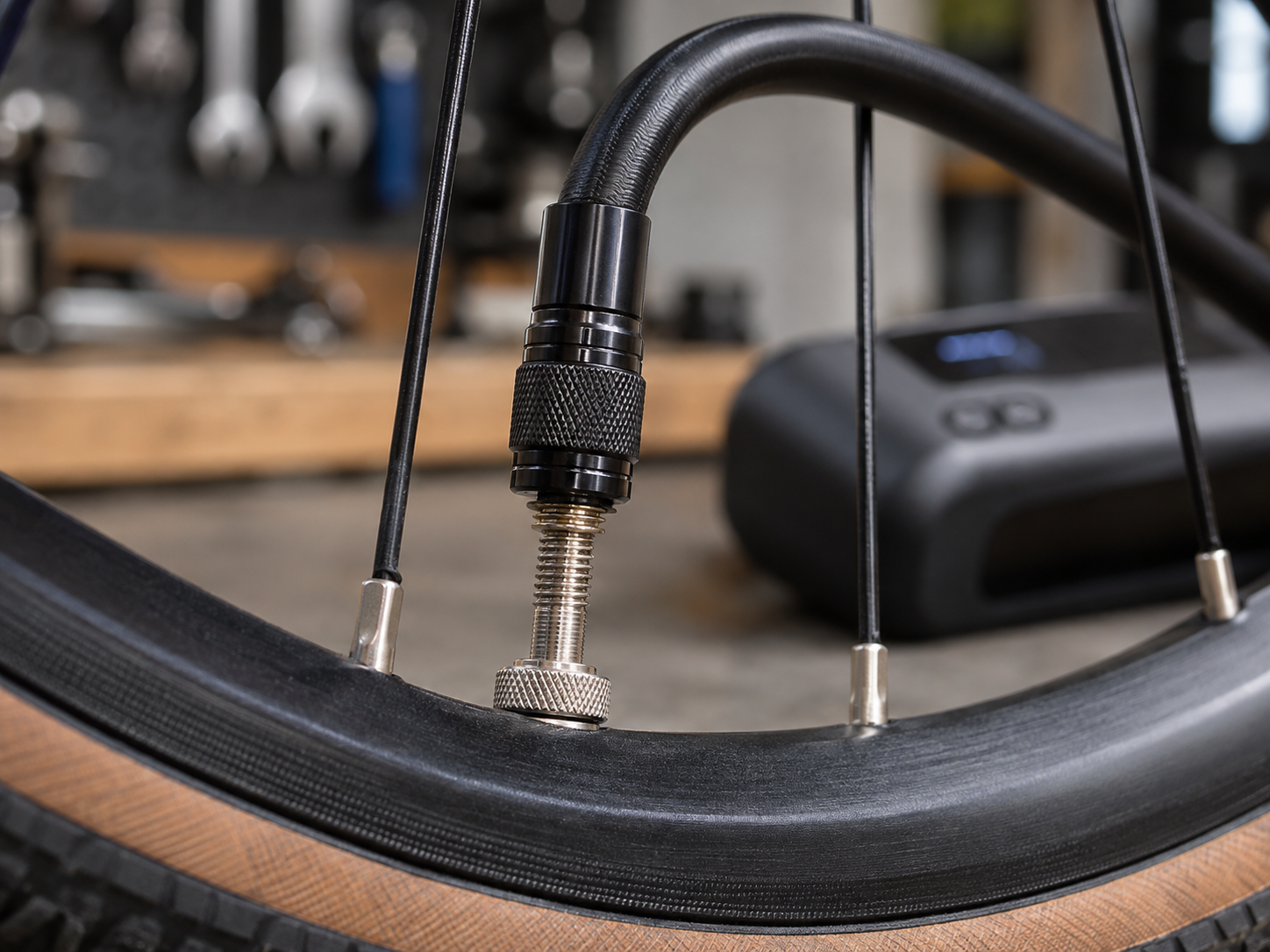
Not Every Presta Valve Is Constructed the Same Way
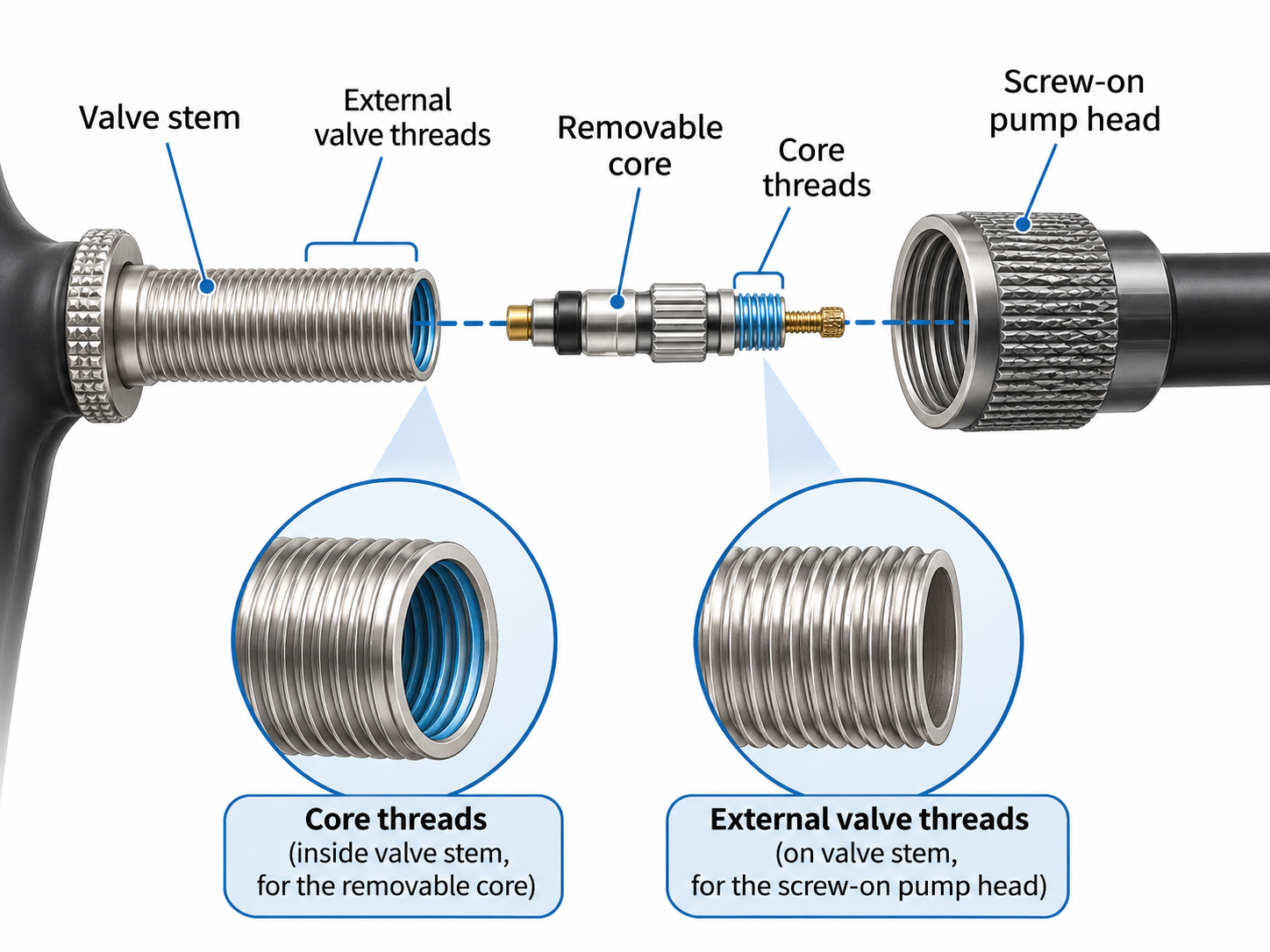
Presta valves may look similar from the outside, but the internal configuration can differ.
Some use removable valve cores.
Others do not.
Even among removable-core designs, the fit, thread condition, installation torque, valve stem construction, and age of the component may vary.
This matters because a pump supplier normally does not control the valve installed on every bicycle the customer will use.
A connector therefore needs to be evaluated against realistic variation in the target market rather than against one ideal reference valve.
For a brand selling pumps through bike shops, the relevant compatibility question is not simply whether the product supports Presta.
It is how the connector behaves across the types of Presta valves customers are actually likely to encounter.
Why Thread-On Pump Heads Can Interact With the Valve Core
A screw-on pump head attaches by rotating around the external valve thread.
After inflation, the user rotates it in the opposite direction to remove it.
A removable Presta core is also held in position through a threaded interface.
Under normal conditions, the pump head should unscrew without disturbing the valve core.
Problems can occur when the resistance between the connector and valve becomes significant relative to how securely the core is installed.
Several factors may contribute:
- a valve core that was already slightly loose
- contamination or damage on the valve thread
- high friction inside the connector
- connector geometry
- excessive tightening during pump attachment
- hose twisting during connection or removal
- user removal technique
This is why the problem should not automatically be attributed to one component.
The interaction needs to be examined as a system.
Hose Rotation Changes the User Experience
Connector design cannot be separated from hose design.
If the entire hose twists while the user screws the pump head onto the valve, the connection can feel awkward.
The same problem can appear during removal.
A rotating or swivel section near the connector can reduce the amount of hose twisting the user has to manage.
This can be especially useful with compact electric bike pumps, where the product body may sit close to the wheel while the hose is relatively short.
The buyer should therefore look at:
- how freely the connector rotates
- whether the hose twists during installation
- whether the pump body needs to rotate
- how much force is required to remove the head
- whether the connector remains aligned with the valve
A connector can be technically compatible with Presta valves but still feel inconvenient in real use.
The Removal Moment Deserves More Attention Than the Connection
Most product demonstrations focus on attaching the pump.
But valve-core problems often become visible when the pump is removed.
The user has finished inflation, the tire is at pressure, and the connector must now be unscrewed.
This is the moment when several things happen together:
- the connector is under mechanical contact with the valve
- the hose may contain residual pressure
- the user is rotating the threaded head
- the valve core must remain stationary
A useful product evaluation should therefore pay attention to removal behavior rather than judging the connector only by how securely it attaches.
Questions worth observing include:
- Does the connector release smoothly?
- Does the entire valve stem rotate?
- Does the core move with the connector?
- Is excessive force required?
- Does noticeable air escape during removal?
- Can the user remove the head without twisting the hose or pump body?
These observations describe the actual customer experience more clearly than a simple Presta-compatible specification.
Bike Shops See More Valve Variation Than a Single Consumer
This issue is particularly relevant for bike-shop channels.
A consumer may use one pump with one bicycle.
A shop may use or recommend the same pump across many bikes with different:
- tubes
- tubeless valves
- replacement valve cores
- rim depths
- valve stem lengths
- valve brands
- maintenance histories
That broader exposure can reveal compatibility issues much faster.
For brands selling through professional bike channels, sample evaluation should therefore include more than one valve setup where practical.
The objective is not to prove universal compatibility with every Presta component on the market.
It is to identify whether the connector design behaves predictably across representative applications.
Thread-On and Lever-Style Heads Solve Different Problems
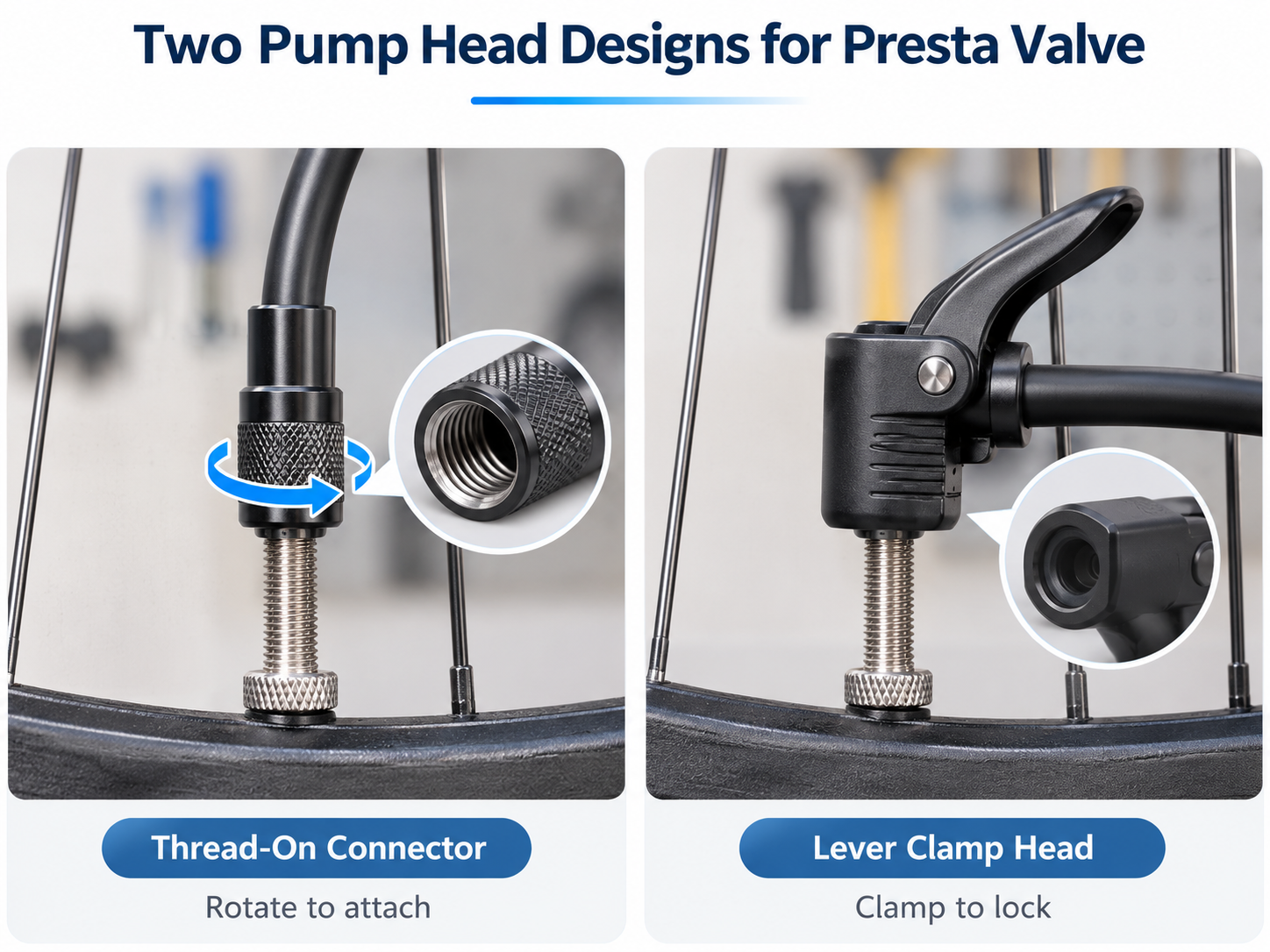
A thread-on connector is not automatically inferior to a lever-style or clamp-style pump head.
Each architecture has different advantages.
Thread-on designs can be compact, secure, and suitable for portable hoses.
Lever-style connections can reduce the amount of rotational interaction with the valve.
The better choice depends on the intended product.
For a small rechargeable pump, size and portability may make a threaded connector attractive.
For a workshop-oriented product, faster repeated connection may matter more.
The purchasing decision should therefore consider:
- product size
- intended user
- frequency of connection
- valve mix
- hose length
- portability
- service environment
Connector architecture should match the use case rather than follow one universal preference.
A Compatibility Test Should Use Real Valve Hardware
A useful evaluation can be very simple.
Instead of testing only against a pneumatic fixture, connect the pump to representative bicycle valves.
These can include examples from the product’s intended market, such as:
- standard Presta tubes
- removable-core Presta valves
- tubeless valve stems
- different valve stem lengths
The same connector can then be attached, inflated, and removed repeatedly.
The buyer is looking for patterns.
If one particular valve type repeatedly creates difficult removal while others do not, that information helps identify the interface that deserves further investigation.
If several pump samples behave differently on the same valve, the connector assembly itself may deserve more attention.
Do Not Forget Valve-Core Condition Before the Test
A poorly installed valve core can make a good pump connector appear problematic.
Before comparing pump samples, the valve hardware should therefore be checked for basic condition.
The test should avoid mixing unknown variables.
For example, if one test valve has a loose core and another has been properly maintained, the comparison may tell the buyer more about the valves than the pumps.
For B2B sample review, documenting which valve setup was used makes later discussions much clearer.
Connector Fit Is Also an OEM Specification
Pump-head design often receives less attention than motor power, battery capacity, inflation time, or pressure display.
But the connector is one of the few parts the customer physically interacts with every time the product is used.
For an OEM project, the approved connector configuration can include:
- valve compatibility
- thread design
- hose length
- swivel behavior
- sealing performance
- removal behavior
- adapter configuration
This information can become part of the approved sample and production reference.
If the hose or connector supplier changes later, the same real-valve test can be repeated to confirm that the user experience has not changed unexpectedly.
Customer Instructions Can Prevent Avoidable Problems
Product design matters, but clear instructions also help.
Users should understand how the connector is intended to be attached and removed.
For a threaded head, instructions may explain that the user should avoid unnecessarily overtightening the connector and should remove it using the intended rotating section rather than twisting the hose or product body.
If a removable valve core becomes loose, the pump manual should not imply that the core is a permanent part of every Presta valve.
Clear valve terminology can reduce confusion for both consumers and customer-service teams.
For bike-shop channels, simple product training can be even more effective because staff can demonstrate the connector correctly before recommending the pump.
 electric bike pump product options
Conclusion
Presta compatibility is more complicated than placing a Presta label on the specification sheet.
A thread-on pump head must interact with the valve stem, removable core, hose, connector threads, and user technique as one mechanical interface.
Problems with valve-core loosening are most likely to become visible during connector removal, so buyers should evaluate that part of the user experience carefully.
The goal is not to conclude that threaded pump heads are unsuitable for removable-core Presta valves.
The goal is to confirm that the chosen connector architecture works predictably with the representative valves used in the target market.
For B2B buyers, real-wheel compatibility testing, hose-rotation behavior, removal effort, connector design, and clear instructions can be just as important as inflation speed or maximum pressure.
YANTU supports electric and portable bike pump projects for cycling brands, distributors, and retailers. We can work with buyers on Presta and Schrader connector configurations, hose design, valve compatibility, sample validation, accessories, packaging, and OEM production requirements.